In the world of modern manufacturing, magnets are often the "invisible heartbeat" of a system. From high-tech aerospace sensors to heavy-duty industrial separators, the quality of the magnetic material directly dictates the lifespan and efficiency of the final product. As a leading specialist in the field, Dingci Magnet has long been committed to providing tailored magnetic solutions for global infrastructure and electronics.
Choosing the right magnet is not just about strength—it’s about balancing environment, cost, and performance. Here is an evidence-based guide to three essential magnetic materials for your next project.
1. The Peak of Power: N52 Neodymium Magnets
When your application demands "minimum volume, maximum pull,"
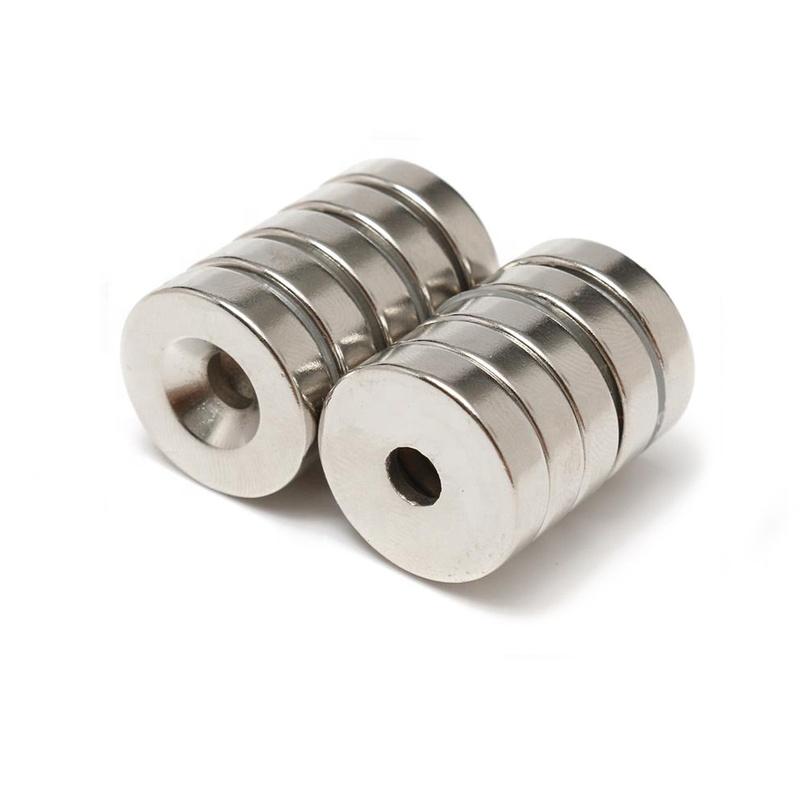
n52 neodymium magnets are the undisputed gold standard. As the highest grade of commercially available Sintered Neodymium (NdFeB), N52 represents the pinnacle of magnetic energy product (BHmax).
The Technical Edge: An N52 magnet can provide several times the lifting power of a standard magnet of the same size. This makes them indispensable in sectors requiring extreme miniaturization, such as high-end brushless motors, magnetic resonance imaging (MRI), and precision aerospace components.
Engineering Reality: While N52 is a powerhouse, it is sensitive to high temperatures. At Dingci Magnet, we utilize advanced surface coating technologies (such as Ni-Cu-Ni or Epoxy) to ensure these high-performance magnets remain corrosion-resistant and stable even in demanding indoor environments.
2. The Foundation of Stability: Ferrite Block Magnets
Not every application requires the extreme intensity of rare earth metals. In large-scale industrial setups where durability and cost-efficiency are the priorities,
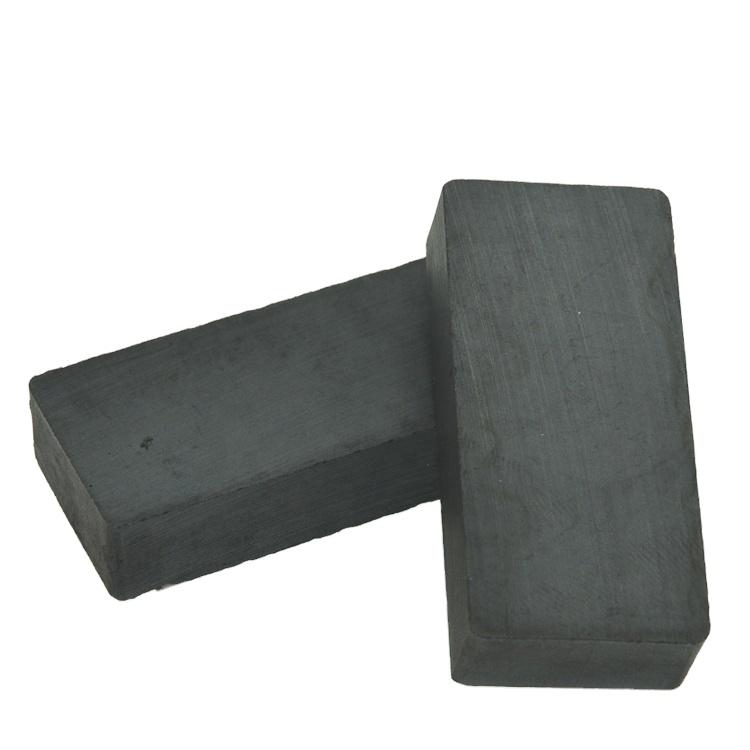
ferrite block magnets (Ceramic magnets) offer an unrivaled value proposition.
Evidence-Based Reliability: Unlike Neodymium, Ferrite boasts exceptional resistance to demagnetization and superior thermal stability (operating effectively up to 250°C). Furthermore, they are naturally immune to oxidation, meaning they require no protective coating even in humid or outdoor conditions.
Best Use Cases: These are the workhorses of the industry, widely used in conveyor belt separation systems, loudspeaker magnets, and induction motors. For budget-conscious infrastructure projects in harsh climates, a large-scale ferrite block is the most reliable choice for long-term mechanical consistency.
3. Structural Intelligence: Ferrite Pot Magnets
Sometimes, a magnet needs to function as a finished tool rather than just a raw component. This is where the ferrite pot magnet demonstrates the beauty of magnetic circuit design.
Scientific Construction: By encasing a ferrite core within a steel "pot" or shell, the magnetic field is redirected and concentrated onto a single active face. This structural shift can triple the effective pull force on the contact surface while simultaneously protecting the brittle ceramic core from physical impact.
Operational Value: These are the ideal choice for industrial mounting, signage, cabinet closures, and workshop tool organization. They prove that the combination of "raw material + smart casing" often yields a result greater than the sum of its parts (1+1>2).
In the complex landscape of magnetic materials, there is no "best" magnet—only the "most appropriate" solution for your specific engineering challenge. Whether you are pushing physical limits with n52 neodymium magnets, seeking the rugged endurance of ferrite block magnets, or utilizing the functional design of a ferrite pot magnet, Dingci Magnet provides end-to-end support from technical consultation to mass production.
We don't just supply magnets; we optimize your engineering outcomes and reduce your total cost of ownership.